



Signs Your UTV Needs Repair Before It Breaks Down (Warning Signs You Should Never Ignore)
April 8, 2026
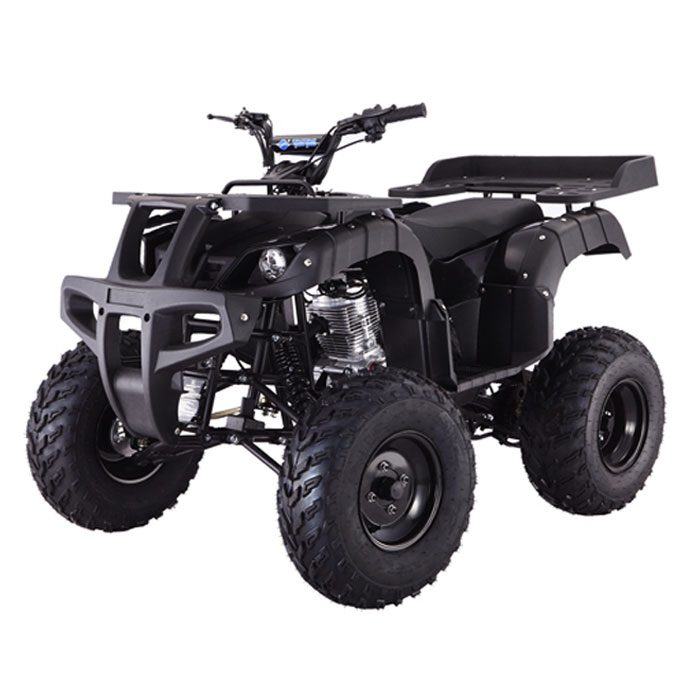
Nothing kills the excitement faster than gearing up, loading your ATV… and then, nothing. No start. No ride. Just frustration. Before you panic or assume the worst, here’s the truth: most ATV starting problems are simple, common, and fixable.
Let’s break down the top 7 reasons your ATV won’t start, how to identify them, and exactly what to do to get back on the trail.
1. Dead or Weak Battery (Most Common Issue)
The battery is the "heart" of your electrical system, but it is also the most fragile component. Because ATV batteries are small, they are highly susceptible to temperature changes and periods of inactivity. If your vehicle has been sitting for more than a few weeks, the voltage likely dropped below the threshold needed to turn the engine.
- Signs: You hear a rapid clicking sound when you press start, the headlights look dim, or there is no power at all.
- The Fix: Use a multimeter to check the charge; a healthy battery should read between 12.4 and 12.8 volts. Clean any white corrosion from the terminals and ensure the connections are tight.
- Pro Tip: Always use a smart trickle charger during the off-season to maintain battery health.
2. Fuel System Problems (Bad Gas or Blockages)
Your engine needs clean, fresh fuel to fire up. Today’s ethanol-blended gasoline starts to degrade in as little as 30 days, turning into a sticky varnish that clogs the narrow passages in your carburetor or fuel injectors.
- Signs: The engine cranks strongly but refuses to "catch" or fire.
- Checklist:
- Ensure the petcock (fuel valve) is in the ON position.
- Check for pinched or cracked fuel lines.
- Smell the gas, if it smells sour or "funky," it’s time to drain it.
- Maintenance: Drain old fuel and refill with high-octane fresh gas. If it still won't start, you may need to clean the carburetor jets
3. Bad or Fouled Spark Plug
No spark means no ignition. The spark plug is the window to your engine’s health; it can become fouled by carbon deposits, oil, or excess fuel, which prevents the electrical arc needed to start the combustion process.
- Signs: The engine turns over but won't start, or it backfires and runs roughly.
- The Spark Test: Remove the plug, ground it against the engine block, and crank the engine. Look for a bright blue spark.
- Outcome: If the spark is orange or non-existent, or if the tip is black and oily, replace the plug. It is one of the cheapest and fastest fixes available.
4. Starter Motor or Solenoid Failure
If your battery is fully charged and the lights are bright, but nothing happens when you hit the button, the problem lies in the starter system. The solenoid is an electromagnetic switch that sends power to the starter motor; if it fails, the circuit remains open.
- Signs: A single loud "clack" usually points to a solenoid issue, while total silence often points to the starter motor or a wiring break.
- Quick Fix: Sometimes, internal brushes get stuck. Tapping the starter motor lightly with a rubber mallet while pressing the start button can jar them loose for one last start.
- Long-term: If this happens frequently, the internal components are worn and require professional replacement.
5. Dirty or Clogged Air Filter
Engines need a precise mix of fuel and oxygen. Since ATVs are used in dusty, muddy, and sandy environments, the air filter can become clogged very quickly. A blocked filter starves the engine of air, "choking" the combustion process.
- Signs: Hard starting, a strong smell of unburned gas, or the engine "bogging" down when you give it throttle.
- Steps to Fix:
-
- Open the airbox and inspect the filter for lodo, dust, or moisture.
- Foam filters: Wash with a specialized cleaner and re-oil.
- Paper filters: Replace them if they appear dark or grey.
6. Electrical or Safety Switch Issues
Modern ATVs are equipped with various safety sensors designed to prevent the vehicle from starting in dangerous conditions. Sometimes, a simple oversight or a faulty sensor is the only thing keeping you off the trails.
Check these first:
- Kill Switch: Ensure it is set to the RUN position.
- Gear Position: Most ATVs must be in Neutral or Park to start.
- Brake Switch: Many models require the handbrake or footbrake to be engaged.
Fuses: Check the main fuse box; a single blown fuse can kill the entire ignition circuit.
7. Low Engine Compression (Serious Issue)
If you have checked air, fuel, and spark but the engine still won't fire, you might be facing a compression problem. This happens when the pressure inside the cylinder escapes before it can be ignited.
- Signs: The engine sounds "hollow" or spins much faster than usual when cranking (because there is no resistance).
- Why It Happens: This is usually caused by worn-out piston rings, a blown head gasket, or valves that aren't seating correctly.
- Fix: This requires a compression tester and, in most cases, a professional engine teardown and rebuild.
When DIY Isn’t Enough…
You’ve checked everything. You’ve tried the fixes. Still no luck? That’s where professionals come in.
Get Back on the Trails with XGator Motorsports
At XGator Motorsports, we don’t guess, we diagnose.
What You Get
- Fast, accurate diagnostics
- Honest repair recommendations
- Professional ATV repair & maintenance
- Performance upgrades to maximize your ride
No more frustration. No more wasted time.